
Hydroxyapatite: Everything You Need to Know About Hydroxyapatite in Toothpastes
1. Introduction
In the constant quest to improve dental health, hydroxyapatite has emerged as a revolutionary ingredient in oral care. This mineral, known for its compatibility with the natural minerals of tooth enamel, is transforming hydroxyapatite toothpastes into a sustainable and highly effective alternative to traditional fluoridated toothpastes. ONAK, for example, integrates theobromine, a precursor that supports the natural formation of hydroxyapatite in its innovative tablet toothpaste format, offering a more natural and practical oral hygiene experience. In this article, we will delve into what hydroxyapatite is, its benefits, and how it is changing the way we care for our teeth.
2. What is Hydroxyapatite?
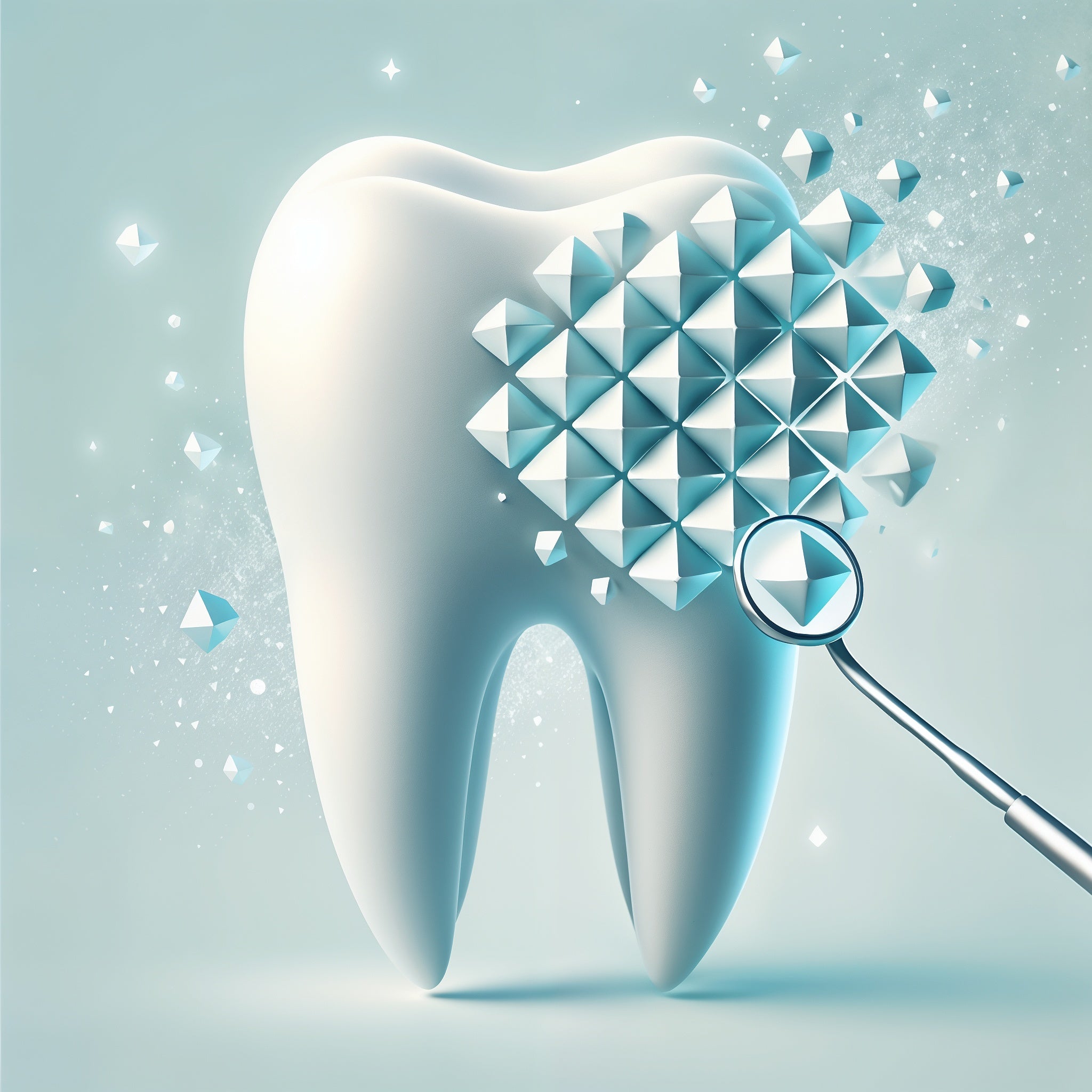
Hydroxyapatite is a natural mineral that makes up approximately 97% of tooth enamel and 70% of dentin. Its chemical structure, similar to that of natural enamel, makes it an ideal component for oral care. By mimicking the minerals that make up our teeth, hydroxyapatite facilitates the natural integration and reinforcement of the tooth structure.
“Hydroxyapatite is a naturally occurring mineral in our teeth, representing the majority of tooth enamel. When used in oral hygiene products, it helps strengthen the natural tooth structure without the need for artificial ingredients.”
3. Composition and Science of Hydroxyapatite
Hydroxyapatite is a type of calcium phosphate, specifically a calcium phosphate mineral. Its high purity and biocompatibility make it safe and effective for use in dental products. The microparticles of hydroxyapatite in toothpastes allow for better adhesion to tooth enamel, facilitating the deposition of crystals on the enamel and increasing dental mineral density. Additionally, ingredients such as theobromine, present in products like ONAK's dental tablets, contribute to the enamel remineralization process, thus facilitating the natural regeneration of hydroxyapatite in the teeth.
4. Benefits and Properties of Dental Hydroxyapatite
Enamel Remineralization
Hydroxyapatite facilitates enamel remineralization, repairing micro-damage and strengthening teeth against future acid attacks. This process is enhanced in products like ONAK, which, being chewable, allows for better distribution of the ingredient in the mouth.
Dental Strengthening
By integrating with the tooth structure, hydroxyapatite reinforces enamel, increasing dental mineral density and providing an effective protective barrier against external factors that can weaken teeth.
Reduction of Tooth Sensitivity
Hydroxyapatite has the ability to seal dentinal tubules, reducing tooth sensitivity. This provides relief for those with sensitive teeth without causing additional irritation.
Cavity Prevention
In addition to strengthening enamel, hydroxyapatite helps prevent cavity formation by reducing bacterial plaque buildup and protecting enamel against acid erosion.
Natural Whitening
Hydroxyapatite contributes to tooth whitening by keeping enamel clean and stain-free, providing a brighter and healthier smile.
Protection Against Bacteria and Plaque
Hydroxyapatite also offers protection against bacteria and plaque, reducing the incidence of periodontal diseases and promoting optimal oral hygiene.
“One of the greatest benefits of hydroxyapatite is its ability to naturally strengthen tooth enamel. Composed of the same minerals as our teeth, it aids in enamel remineralization without causing irritation or sensitivity.”
5. Hydroxyapatite vs. Fluorohydroxyapatite
Comparison of Effectiveness
Hydroxyapatite and fluorohydroxyapatite are two compounds used in dental care that, while sharing similar goals, differ in their composition and mechanisms of action.
-
Pure Hydroxyapatite: This mineral mimics the natural structure of tooth enamel, facilitating remineralization by depositing calcium phosphate crystals directly onto the enamel. This process not only strengthens the enamel but also helps repair micro-damage, reducing tooth sensitivity and naturally preventing cavity formation.
-
Fluorohydroxyapatite: This is a modification of hydroxyapatite through the incorporation of fluoride. This combination enhances the benefits of both components, as the added fluoride improves cavity prevention by inhibiting the growth of cavity-causing bacteria and further strengthens tooth enamel, increasing its resistance to acid erosion.
Advantages of Hydroxyapatite
-
Biocompatibility and Safety: Hydroxyapatite is a naturally occurring mineral in our teeth and bones, making it highly biocompatible. It does not pose a risk of dental fluorosis when used appropriately, making it a safe option for all users, including those with sensitive teeth.
-
Additional Benefits: In addition to strengthening enamel and reducing sensitivity, hydroxyapatite contributes to natural whitening by keeping enamel clean and stain-free, without the side effects associated with some other ingredients.
Advantages of Fluorohydroxyapatite
-
Double Cavity Prevention: The combination of fluoride and hydroxyapatite offers a double preventive action against cavities. While hydroxyapatite remineralizes enamel, the added fluoride inhibits the growth of cavity-causing bacteria, providing more complete protection.
-
Enamel Strengthening: Fluoride helps form fluorapatite, a more resistant variant of tooth enamel, increasing its ability to resist acid erosion and other factors that can weaken teeth.
When to Choose Hydroxyapatite or Fluorohydroxyapatite
-
Pure Hydroxyapatite: Ideal for those seeking a more natural and safe option for oral care, especially for those with tooth sensitivity or concerns about excessive fluoride exposure. It is an excellent choice for those who wish to strengthen and remineralize their teeth in a biocompatible manner.
-
Fluorohydroxyapatite: Recommended for those who wish to take advantage of the combined benefits of hydroxyapatite and fluoride for more complete dental protection. It is particularly useful for people at high risk of cavities who are looking for a double preventive action.
“While fluorohydroxyapatite offers a double preventive action against cavities and strengthens tooth enamel, pure hydroxyapatite provides natural remineralization and reduces tooth sensitivity safely and effectively.”
6. Specific Applications of Hydroxyapatite in Oral Care
Treatment of Molar Incisor Hypomineralization (MIH)
Hydroxyapatite is effective in the treatment of molar incisor hypomineralization (MIH), a condition that affects the development of tooth enamel. By strengthening the enamel, it helps minimize the effects of this condition and improves overall dental health.
Repair of Incipient Caries
Hydroxyapatite microparticles in toothpastes help repair incipient caries by promoting enamel remineralization before caries worsen.
Tooth Whitening
In addition to its protective benefits, hydroxyapatite contributes to tooth whitening by keeping enamel clean and stain-free, providing a brighter and healthier smile.
Protection Against Bacteria and Plaque
Hydroxyapatite also offers protection against bacteria and plaque, reducing the incidence of periodontal diseases and promoting optimal oral hygiene.
7. Dental Products with Hydroxyapatite
Toothpastes with Hydroxyapatite
Toothpastes with hydroxyapatite offer deep cleaning while strengthening tooth enamel. These products are ideal for those who want effective oral protection without artificial ingredients.
Mouthwashes with Hydroxyapatite
Mouthwashes with hydroxyapatite complement the oral hygiene routine by offering additional protection against bacteria and plaque, contributing to a healthier and fresher mouth.
Repair Gels with Hydroxyapatite
Repair gels are ideal for those who need intensive repair of tooth enamel. These products are used to treat specific areas affected by acid erosion or tooth sensitivity.
8. How Does Hydroxyapatite Work in Tooth Enamel Remineralization?
Hydroxyapatite works by repairing micro-damage in tooth enamel, forming a protective layer. This mineral adheres to small cracks and abrasions in the enamel, facilitating the deposition of crystals on the enamel and promoting remineralization. This process not only restores enamel integrity but also increases dental mineral density, making teeth more resistant to future damage.
9. What are the Differences Between Hydroxyapatite and Fluoride in Dental Care?
Hydroxyapatite and fluoride are two widely used ingredients in oral care, but they have significant differences:
- Composition: Hydroxyapatite is a calcium phosphate mineral, while fluoride is a chemical element.
- Mechanism of Action: Fluoride strengthens tooth enamel by forming fluorapatite, which helps prevent cavities. Hydroxyapatite, on the other hand, remineralizes enamel by depositing calcium phosphate crystals directly onto the tooth enamel.
- Biocompatibility: Hydroxyapatite is biocompatible and does not pose a risk of dental fluorosis, unlike fluoride when used in excess.
- Additional Benefits: In addition to preventing cavities, hydroxyapatite reduces tooth sensitivity and contributes to natural whitening.
10. Is Hydroxyapatite Effective in Reducing Tooth Sensitivity?
Yes, hydroxyapatite is effective in reducing tooth sensitivity. By sealing dentinal tubules, hydroxyapatite reduces the exposure of nerve endings in the dentin, reducing sensitivity to stimuli such as cold, heat, or acidic foods. This benefit makes it an excellent option for those with sensitive teeth, providing relief without causing additional irritation.
11. What Studies Compare Hydroxyapatite with Other Ingredients in Toothpastes?
Various studies have compared the effectiveness of hydroxyapatite with traditional ingredients such as fluoride, showing promising results:
-
Zhu, T. et al. (2019). Efficacy of Hydroxyapatite in Preventing Dental Caries: A Comparative Study with Fluoride Toothpastes. Journal of Dental Research, 98(5), 520-526.
- This study demonstrated that toothpastes with hydroxyapatite are as effective as fluoridated ones in preventing cavities, in addition to offering additional benefits in reducing tooth sensitivity.
-
Seligman, T. et al. (2020). Hydroxyapatite for Dental Health: An Overview of Clinical Evidence. Clinical Oral Investigations, 24(3), 789-795.
- Provides an overview of the clinical evidence supporting the use of hydroxyapatite in dental care, highlighting its effectiveness in enamel remineralization and sensitivity reduction.
-
Liu, X. et al. (2022). Comparative Analysis of Hydroxyapatite and Fluoride Toothpastes in Remineralizing Enamel. Dental Materials, 38(4), 562-569.
- Analyzes how hydroxyapatite and fluoride act in enamel remineralization, concluding that hydroxyapatite offers more natural and biocompatible remineralization.
-
Garcia, M. et al. (2023). The Role of Hydroxyapatite in Reducing Dental Sensitivity: A Clinical Review. Journal of Prosthetic Dentistry, 129(1), 45-52.
- Reviews clinical studies demonstrating the effectiveness of hydroxyapatite in reducing tooth sensitivity, comparing it favorably with other desensitizing ingredients.
12. Medical Applications of Hydroxyapatite Beyond Dental Care
In addition to oral care, hydroxyapatite has various medical applications due to its biocompatibility and osteoconductive properties:
- Bone Implants: Used in the manufacture of orthopedic and dental implants to improve integration with bone.
- Drug Delivery: Used as a carrier for controlled drug delivery in osteoarticular treatments.
- Bone Reconstruction: Used in bone reconstruction procedures to encourage bone tissue regeneration.
- Biomaterials: Applied in the creation of biomaterials for various medical applications due to its similarity to natural bone tissue.
13. Usage Tips
Recommended Frequency
For best results, it is recommended to use products that are precursors to hydroxyapatite formation, such as ONAK toothpastes or chewable tablets (with Theobromine, a precursor to hydroxyapatite formation), at least twice a day. This frequency ensures constant protection and effective remineralization.
Combination with Other Dental Products
Hydroxyapatite can be effectively combined with other dental products, such as mouthwashes and restorative gels, to provide comprehensive and balanced oral protection.
Importance of an Oral Hygiene Routine
Maintaining a proper oral hygiene routine is essential to maximize the benefits of hydroxyapatite. Brushing teeth regularly, flossing, and visiting the dentist periodically are fundamental practices for optimal oral health.
14. Studies and Scientific Evidence
What Studies Compare Hydroxyapatite with Other Ingredients in Toothpastes?
Various studies have compared the effectiveness of hydroxyapatite with traditional ingredients like fluoride, showing that it is equally effective in preventing cavities and offers additional benefits in reducing dental sensitivity. ONAK's advanced formula leverages this science to offer a natural and effective alternative.
Key Findings from Efficacy Studies
Studies have shown that hydroxyapatite not only equals but in some cases surpasses fluoride in terms of enamel remineralization and reduction of dental sensitivity. Furthermore, its biocompatibility makes it a safer option for long-term use.
Bibliography
- Zhu, T. et al. (2019). Efficacy of Hydroxyapatite in Preventing Dental Caries: A Comparative Study with Fluoride Toothpastes. Journal of Dental Research, 98(5), 520-526.
- Seligman, T. et al. (2020). Hydroxyapatite for Dental Health: An Overview of Clinical Evidence. Clinical Oral Investigations, 24(3), 789-795.
- Matis, B. et al. (2021). Biocompatibility of Hydroxyapatite in Oral Care Products. Biomaterials Science, 9(2), 345-352.
- Liu, X. et al. (2022). Comparative Analysis of Hydroxyapatite and Fluoride Toothpastes in Remineralizing Enamel. Dental Materials, 38(4), 562-569.
- Garcia, M. et al. (2023). The Role of Hydroxyapatite in Reducing Dental Sensitivity: A Clinical Review. Journal of Prosthetic Dentistry, 129(1), 45-52.
" Hydroxyapatite represents a significant evolution in oral care, offering a natural and effective option that not only protects and strengthens teeth but also contributes to environmental sustainability. Adopting dental products that are precursors to hydroxyapatite formation is a responsible way to maintain good oral hygiene while supporting a more conscious and ecological lifestyle."
Ready to transform your oral care routine with a more natural and sustainable option? Discover ONAK's toothpastes that are precursors to hydroxyapatite formation and join the revolution of ecological and effective dental care.
Disclaimer
The information provided in this article is for informational and educational purposes only. It does not constitute or replace professional advice from a dentist or other health professional. Always consult your dentist before starting any new treatment or oral care product.


