
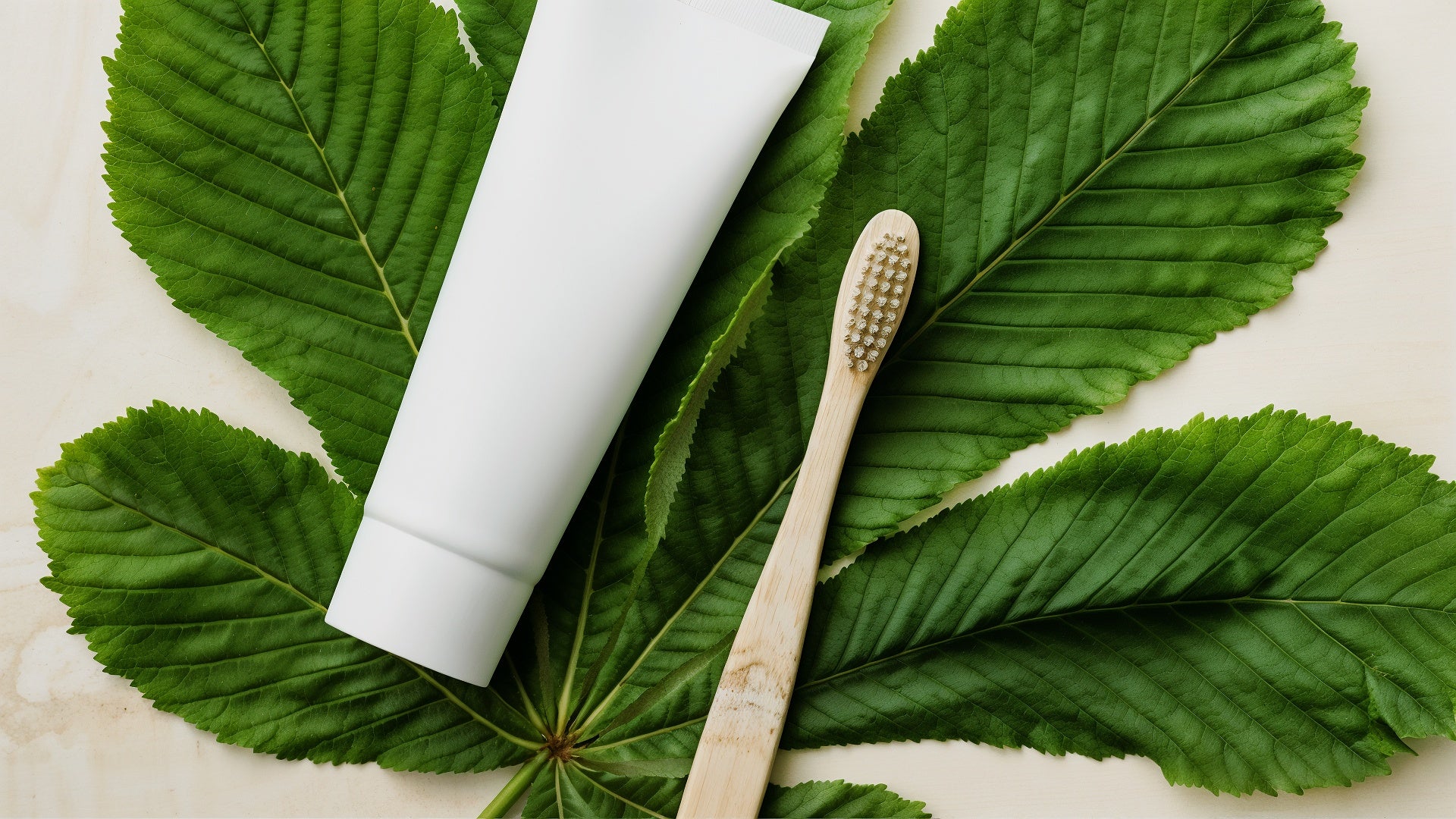
The Best Natural Toothpaste: how to choose it and what to look for
Introduction
Currently, natural toothpaste has become a popular choice for those seeking healthier and more ecological alternatives in their oral hygiene routine. This shift not only promotes better dental health but also significantly contributes to environmental care. In this comprehensive guide, we will delve into what natural toothpaste is, its many benefits, common ingredients, how to choose the best option for your needs, and where to buy it. Additionally, we will introduce ONAK, an innovative natural toothpaste in chewable tablets, and compare its advantages with other natural toothpastes available on the market. We will also address frequently asked questions and offer tips for effectively integrating this product into your daily life.
What is Natural Toothpaste?
Natural toothpaste is an alternative to conventional toothpastes that avoids the use of synthetic ingredients and harsh chemicals. It is formulated with natural components that clean and protect teeth effectively without compromising oral health or the environment. These toothpastes are typically free of fluoride, sulfates, parabens, artificial colors, and other chemical additives, offering a cleaner and healthier option for your daily dental hygiene routine.
Key Differences Between Natural and Conventional Toothpaste
| Characteristic | Natural Toothpaste | Conventional Toothpaste |
|---|---|---|
| Ingredients | Natural and organic | Chemical and synthetic |
| Fluoride | Generally free | Contains fluoride |
| Flavor | Natural flavors like mint, eucalyptus | Artificial flavors and sometimes excessive mint |
| Environmental Impact | Low, ecological and biodegradable packaging | High, non-recyclable plastic packaging |
| Additional Benefits | Antibacterial properties, gentle whitening, natural soothing | Whitening and dental protection with chemicals |
| Suitable for Sensitive Teeth | Yes, uses gentle, non-irritating ingredients | May contain irritating ingredients |
| Texture and Consistency | Softer and more natural | Can be more abrasive due to chemicals |
| Price | Often higher, but varies by brand and ingredients | Generally more economical |
Benefits of Using Natural Toothpaste
1. Free of Harmful Chemicals
One of the main advantages of natural toothpaste is that it is free of chemicals that can be harmful in the long term. Ingredients such as fluoride and sulfates, commonly found in conventional toothpastes, have been debated due to their potential adverse effects. Choosing a natural toothpaste allows you to take care of your oral health without exposing yourself to these questionable components.
2. Environmentally Friendly
Natural toothpastes often come in ecological packaging and are formulated with biodegradable ingredients, thus reducing their environmental impact. Furthermore, many brands use recyclable or reusable packaging, contributing to the reduction of plastic waste and promoting sustainable practices.
3. Better for Oral Health
Natural ingredients such as baking soda, coconut oil, and essential oils not only clean teeth effectively but also promote gum health and prevent problems such as tooth sensitivity and bad breath in a gentler way. These components work in harmony with your body to maintain a healthy mouth without causing irritation.
4. Hypoallergenic
Many natural toothpastes are hypoallergenic, making them ideal for people with sensitivities or allergies to certain chemical components present in conventional toothpastes. By eliminating common allergens, these toothpastes reduce the risk of adverse reactions and provide a more comfortable brushing experience.
5. Promotion of Healthy Habits
Adopting the use of natural toothpaste can be a step towards a healthier and more conscious lifestyle. By choosing natural products, you encourage the use of less processed ingredients and support companies committed to sustainability and transparency in their manufacturing processes.
Common Ingredients in Natural Toothpaste
1. Baking Soda
Baking soda is a gentle cleaning agent that helps remove stains and naturally whiten teeth without damaging tooth enamel. Additionally, it neutralizes acids in the mouth, reducing the risk of cavities and promoting a healthy oral environment.
2. Essential Oils
Ingredients such as peppermint, eucalyptus, and tea tree oil provide a fresh flavor and antibacterial properties, helping to maintain a healthy mouth. These oils also have anti-inflammatory properties that can benefit gums and reduce inflammation.
3. Xylitol
Xylitol is a natural sweetener that fights bacteria that cause tooth decay, contributing to better oral health. It also has a refreshing effect that helps keep breath fresh for longer.
4. Bentonite Clay
This natural clay helps deeply clean teeth and effectively remove toxins. It also acts as a gentle whitening agent, promoting a brighter smile without the use of abrasive chemicals.
5. Aloe Vera Extract
Aloe vera is known for its soothing and regenerative properties. In natural toothpaste, it helps relieve gum irritation and promotes overall oral health.
6. Beeswax
Beeswax acts as a natural thickening agent, providing a smooth and pleasant texture to the toothpaste. In addition, it has antibacterial properties that help maintain oral hygiene.
7. Coconut Oil
Coconut oil is an antimicrobial agent that fights harmful bacteria in the mouth, reducing plaque and preventing periodontal diseases. It also helps hydrate gums and improves overall oral health.
8. Stevia
Stevia is a natural sweetener that provides sweetness without affecting blood sugar levels. In addition, it has antibacterial properties that help maintain oral health.
9. Green Tea
Green tea contains antioxidants that help reduce inflammation and fight bacteria that cause tooth decay and periodontal disease.
10. Vitamin C
Vitamin C is essential for gum health, helping to prevent inflammation and gingivitis. It also contributes to the repair of oral tissue.
11. Peppermint
Peppermint provides a fresh flavor and antibacterial properties, helping to fight bad breath and maintain a healthy mouth.
12. Potassium Chloride
This ingredient helps relieve tooth sensitivity, providing a soothing effect on sensitive teeth.
13. Sodium Lauryl Sulfate (SLS) Free
Many natural toothpastes avoid the use of SLS, a detergent that can cause irritation in people with sensitive gums.
14. Xanthan Gum
Xanthan gum acts as a natural thickening agent, improving the consistency of toothpaste without adding synthetic chemicals.
15. Rosemary
Rosemary oil has antimicrobial and anti-inflammatory properties, helping to maintain gum health and prevent oral infections.
16. Apple Cider Vinegar
Apple cider vinegar helps balance the pH in the mouth, reducing acidity and preventing the development of harmful bacteria.
17. Propolis
Propolis is known for its antibacterial and anti-inflammatory properties, helping to keep gums healthy and prevent infections.
18. Sea Salt
Sea salt acts as a mild abrasive that helps remove stains and clean teeth effectively.
19. Tea Tree Oil
Tea tree oil has powerful antimicrobial properties that help fight bacteria that cause tooth decay and periodontal disease.
20. Sodium Silicate
Sodium silicate is a cleaning agent that helps remove plaque and keep teeth clean without damaging tooth enamel.
21. Aloe Barbadensis
Aloe barbadensis, also known as aloe vera, provides regenerative and soothing properties for the gums, promoting optimal oral health.
22. Sodium Chloride
Sodium chloride, or common salt, acts as a cleaning agent that helps eliminate bacteria and maintain a healthy mouth.
23. Chamomile Extract
Chamomile has anti-inflammatory and soothing properties that help relieve gum irritation and promote healthy oral health.
24. Spearmint
Spearmint provides a fresh flavor and antibacterial properties similar to peppermint, helping to fight bad breath and maintain a healthy mouth.
How to Choose the Best Natural Toothpaste for You
1. Consider Your Specific Needs
Identify which aspects are most important to you: whitening, sensitivity control, enamel strengthening, cavity protection, etc. This will help you select a natural toothpaste that aligns with your oral health goals.
2. Check the Ingredients
Opt for products that use natural ingredients and avoid those containing unnecessary chemicals. Read labels to ensure the toothpaste meets your standards of purity and effectiveness. Look for ingredients like baking soda, essential oils, xylitol, and bentonite clay.
3. Look for Certifications
Certifications such as Ecocert, USDA Organic, or Cruelty-Free can indicate that the product has been manufactured under strict quality and sustainability standards. These certifications also guarantee that the ingredients have been sourced responsibly.
4. Try Different Brands
Each brand of natural toothpaste may have a unique formulation. Don't hesitate to try different options until you find the one that best suits your tastes and needs. Some popular brands include Tom's of Maine, Weleda, and Davids.
5. Consider the Type of Presentation
Natural toothpastes come in various forms, such as paste, powder, tablets, or gel. Choose the one that best suits your personal preferences and daily routine.
Frequently Asked Questions (FAQs)
1. Does natural toothpaste contain fluoride?
Not all natural toothpastes contain fluoride. Many are formulated without this ingredient for those who prefer to avoid it. However, there are natural options that do include fluoride if necessary for your oral health.
2. Is it as effective as conventional toothpaste?
Yes, natural toothpastes can be as effective as conventional ones for cleaning teeth and maintaining oral health, as long as they are well-formulated and used correctly.
3. Can I use natural toothpaste if I have sensitive teeth?
Absolutely. Many natural toothpastes are specifically designed for people with sensitive teeth, using gentle ingredients that help alleviate sensitivity without irritating gums.
4. Are natural toothpastes more expensive?
In general, natural toothpastes can be a bit more expensive than conventional ones, but the price difference varies depending on the brand and ingredients used. In addition, consider the additional health and environmental benefits.
5. How can I tell if a toothpaste is truly natural?
Check the ingredient list and look for organic or natural product certifications. Avoid products with complicated or chemical ingredient names, and opt for brands that are transparent about their formulations.
6. Can I make my own natural toothpaste at home?
Yes, it is possible to make your own natural toothpaste using ingredients like baking soda, coconut oil, and essential oils. However, it is important to ensure that the formulation is safe and effective for maintaining good oral hygiene.
Tips to Maximize the Benefits of Natural Toothpaste
1. Proper Storage
Store your natural toothpaste in a cool, dry place to maintain its freshness and effectiveness. Avoid exposing it to extreme temperatures that can affect its consistency and properties.
2. Combine with a Healthy Diet
Maintaining a balanced diet rich in vitamins and minerals strengthens your oral health. Consuming foods rich in calcium, vitamin D, and antioxidants complements the benefits of natural toothpaste.
3. Regular Dental Visits
Even if you use natural toothpaste, it is essential to maintain regular dental visits for professional check-ups and cleanings. This ensures that your oral health remains optimal.
4. Quality Toothbrush
Use a toothbrush with soft bristles to complement your natural toothpaste. Bamboo toothbrushes are an excellent ecological and effective option for gentle yet thorough cleaning.
Innovations and Trends in Natural Toothpastes
1. Multifunctional Toothpastes
New formulas combine several benefits in a single product, such as whitening, cavity protection, and relief from tooth sensitivity. This simplifies the oral hygiene routine without compromising effectiveness.
2. Superfood Ingredients
Ingredients like turmeric, green tea, and activated charcoal are gaining popularity in natural toothpastes for their antioxidant and whitening properties.
3. Sustainable Packaging
More and more brands are adopting sustainable packaging, such as recyclable tubes or biodegradable packaging, to reduce environmental impact and attract environmentally conscious consumers.
4. Product Personalization
Some brands offer personalized toothpastes that adapt to the specific needs of each user, such as formulations for sensitive teeth, whitening, or enamel strengthening.
ONAK®: Innovation in Natural Toothpaste in Chewable Tablets
Why ONAK?
ONAK® stands out in the natural toothpaste market for its innovative presentation in chewable tablets. This format is not only convenient and easy to transport, but also guarantees the freshness and effectiveness of natural ingredients. Below, discover the benefits of ONAK® and how it compares to other natural toothpastes.
Discover the Benefits of ONAK®
-
Perfect Dose: ONAK® offers a perfect dose of natural ingredients in each tablet, ensuring an effective and complete cleaning with each daily use.
-
Perfect for Travel: The chewable tablet presentation makes ONAK® ideal for travel, especially by plane, as it avoids liquid restrictions and is easy to transport.
-
Sustainable: Manufactured without single-use plastics, ONAK® contributes to waste reduction and promotes sustainable practices in the dental industry.
-
Vegan and Gluten-Free: All raw materials used in ONAK® are suitable for vegans and celiacs, ensuring that everyone can enjoy its benefits without worries.
-
Fluoride-Free: We use theobromine, a natural ingredient capable of remineralizing tooth enamel, offering an effective alternative to fluoride.
-
Reusable and Infinite: ONAK® packaging is infinitely refillable, allowing for prolonged use and reducing the need for constant replacements.
Our Ingredients
ONAK® prides itself on using the highest quality ingredients, carefully selected to maximize the benefits of natural toothpaste. Below, we detail some of our key ingredients:
EXPANDED INGREDIENT INFORMATION HERE
Main ingredients of ONAK:
- Sodium bicarbonate: Acts as a mild abrasive, cleaning enamel without damaging it.
- Calcium carbonate: Another low-hardness abrasive that contributes to effective cleaning.
- Xylitol (from birch): Has antibacterial properties and aids in enamel remineralization.
- Citric acid: Balances oral pH and facilitates foam formation.
- White clay (kaolin): Deep cleans by accessing enamel pores.
- Coconut oil: Functions as a natural surfactant, protecting gums and enamel.
- Natural mint flavor: Provides a fresh and pleasant taste.
- Magnesium stearate: Acts as a natural lubricant, facilitating the sliding of particles during brushing.
- Guar gum: Vegetable binder that contributes to a dense and effective foam.
- Theobromine: Natural substance present in cocoa that remineralizes enamel and improves its resistance.
Comparison Between Natural Toothpaste and ONAK®
| Characteristics | Natural Toothpaste | ONAK® |
| Presentation | Cream, powder, tablets, gel | Chewable tablets |
| Main Ingredients | Sodium bicarbonate, essential oils, xylitol, etc. | Xylitol (Birch), Calcium Carbonate, Sodium Bicarbonate, Theobromine |
| Sustainability | Varies by brand | Completely sustainable, reusable and refillable packaging |
| Fluoride-Free | Many fluoride-free options | Yes, uses theobromine to remineralize enamel |
| Vegan and Gluten-Free | Some brands offer it | Yes, all ingredients are suitable for vegans and celiacs |
| Environmental Impact | Generally low | Very low, no single-use plastics |
| Convenience | May require plastic packaging | Perfect for travel, easy to transport and use |
| Customer Service | Variable by brand | Excellent, with support on Instagram and email |
| Effectiveness | High, depending on formulation | Very high, with ingredients specifically selected to maximize benefits |
| Price | Varies, generally higher than conventional | Competitive, considering quality and sustainability |
Conclusion
Opting for natural toothpaste is a decision that benefits both your oral health and the environment. By choosing products free of harsh chemicals and formulated with natural ingredients, you not only take care of your teeth and gums, but also contribute to a more sustainable world. Among the available options, ONAK® stands out for its innovation, sustainability, and effectiveness, offering a superior alternative to conventional natural toothpastes.
Integrating natural toothpaste into your daily routine is a step towards a healthier and more conscious lifestyle. With the multiple benefits it offers, from cavity prevention to gum care and reduced environmental impact, this alternative presents itself as an intelligent and responsible option for taking care of yourself and the planet.
Bibliography
- Journal of Dental Research, "Efficacy of Natural Ingredients in Oral Hygiene Products", 2023.
- International Journal of Environmental Research and Public Health, "Environmental Impact of Conventional vs. Natural Dental Products", 2022.
- American Dental Association (ADA), "Fluoride in Dentistry: Benefits and Risks", 2021.
- Journal of Clinical Dentistry, "Natural vs. Synthetic Ingredients in Dental Care", 2020.
- Environmental Protection Agency (EPA), "Sustainable Practices in Personal Care Products", 2021.
- PubMed, "Antibacterial Properties of Essential Oils in Oral Health", 2023.
- ScienceDirect, "Remineralization of Dental Enamel Using Natural Compounds", 2022.
- Google Scholar, "Impact of Sugar Alcohols like Xylitol on Dental Health", 2021.
- Consumer Reports, "Top Natural Toothpastes of 2023", 2023.
- Harvard Health Publishing, "Benefits of Natural Toothpaste", 2022.
Challenges of Toothpaste Tube Recycling and the Sustainable Solution of Refillable Glass Packaging
Black Friday is back at Onak!
You may also be interested in:

Onak Herpes and Onak Aftas. New effective solution for oral and labial care

The Science of Smiles: Why PTFE Dental Floss Has Become Your Gums' Favorite

Planned obsolescence in toothpastes: impact and sustainable alternatives


