
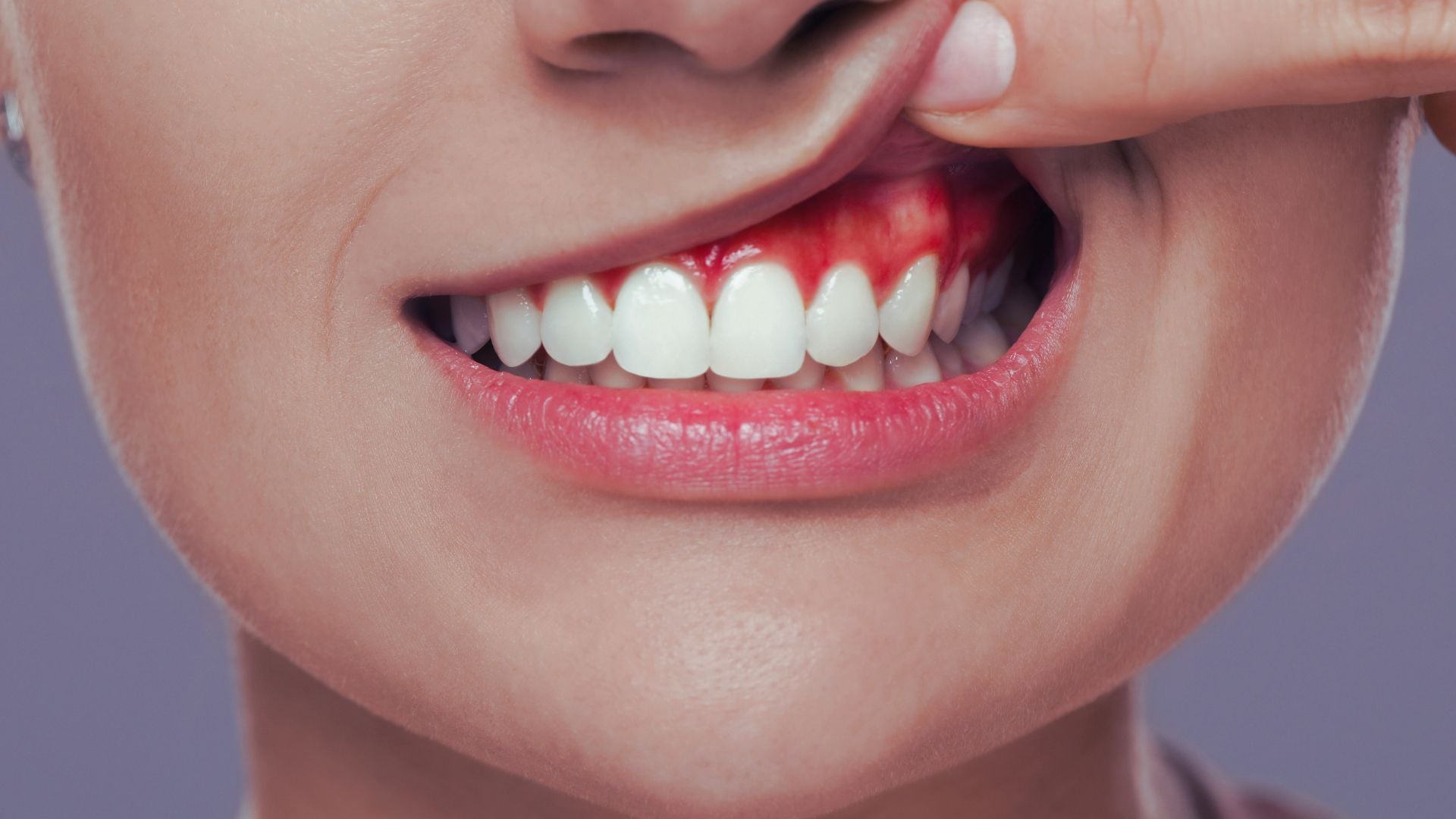
Gingivitis, Periodontitis, and Pyorrhea: Information for Optimal Oral Health and Gum Disease Prevention
Introduction
Oral health is fundamental for overall well-being and quality of life. Gum diseases, such as gingivitis, periodontitis, and pyorrhea, affect millions of people worldwide and can lead to serious complications if not properly addressed. This article offers a comprehensive guide to these conditions, their causes, symptoms, prevention methods, and treatment options, in addition to addressing common myths and providing additional resources for those seeking effective solutions.
1. Introduction to Periodontal Diseases
Periodontal diseases are infections that affect the tissues surrounding and supporting the teeth. They begin with inflammation of the gums (gingivitis) and can progress to deeper damage in the bone and connective tissue (periodontitis and pyorrhea). These conditions not only affect oral health but have also been linked to systemic diseases such as diabetes and cardiovascular problems1.
2. Gingivitis: The Initial Stage of Gum Disease
2.1 What is Gingivitis?
Gingivitis is an inflammation of the gums caused by the accumulation of bacterial plaque on the teeth and gum line. It is the mildest and most common form of periodontal disease and is reversible with good oral hygiene2.
2.2 Symptoms of Gingivitis
- Red or swollen gums.
- Bleeding when brushing or flossing.
- Persistent bad breath.
- Gum sensitivity.
2.3 Causes and Risk Factors
The main cause is bacterial plaque accumulation. Factors that increase risk:
- Poor oral hygiene.
- Tobacco use.
- Hormonal changes (pregnancy, menstruation).
- Systemic diseases (diabetes, HIV).
- Medications that reduce salivary flow.
- Poor nutrition, especially low in vitamin C.
2.4 Prevention and Treatment of Gingivitis
- Proper tooth brushing at least twice a day.
- Daily flossing.
- Antiseptic mouthwashes.
- Regular dental visits for professional cleanings.
- Natural products: Fluoride-free toothpastes with antibacterial ingredients.
3. Periodontitis: The Progression of Periodontal Disease
3.1 What is Periodontitis?
Periodontitis is an advanced inflammation that affects not only the gums but also the bone and tissues that support the teeth. If left untreated, it can lead to tooth loss3.
3.2 Symptoms and Diagnosis of Periodontitis
- Receding gums, exposing more of the tooth.
- Formation of periodontal pockets.
- Loose teeth or tooth mobility.
- Changes in bite.
- Pus between teeth and gums.
Diagnosis is made through clinical examination and dental X-rays.
3.3 Contributing Factors
- Untreated gingivitis.
- Genetics: Family predisposition.
- Smoking: Major modifiable risk factor.
- Systemic diseases.
- Stress: Affects immune response.
3.4 Treatment Options
- Deep cleanings (scaling and root planing).
- Topical or systemic antibiotics.
- Periodontal surgery to reduce pockets and regenerate tissues.
- Laser therapies as a less invasive option.
4. Pyorrhea: The Advanced and Chronic Stage
4.1 What is Pyorrhea?
Pyorrhea is a chronic and advanced form of periodontitis. It is characterized by the destruction of the alveolar bone and the tissues that support the teeth, which can lead to tooth loss4.
4.2 Associated Symptoms and Complications
- Tooth loss.
- Severe inflammation and pain.
- Formation of periodontal abscesses.
- Intense bad breath.
- Systemic complications: Increased risk of heart disease and diabetes.
4.3 Available Treatments
- Periodontal flap surgery.
- Bone grafts to regenerate lost bone.
- Guided tissue regeneration.
- Advanced antimicrobial therapies.
5. How to Prevent Gum Diseases
5.1 Effective Oral Hygiene Routine
- Brushing: Use correct techniques for at least two minutes.
- Flossing: Remove plaque between teeth.
- Mouthwashes: Preferably natural with antibacterial properties.
- Tongue cleaning: Reduce bacteria that cause bad breath.
5.2 Natural and Sustainable Products
- Toothpaste tablets: Like those from ONAK, which contain natural ingredients such as xylitol and theobromine.
- Coconut oil rinses: Effective in reducing bacteria.
- Eco-friendly toothbrushes: Made from sustainable materials.
5.3 Importance of Regular Dental Visits
- Early detection of problems.
- Professional cleanings to remove tartar.
- Personalized advice on oral hygiene.
5.4 Healthy Lifestyle
- Do not smoke: Significantly reduces the risk of periodontal diseases.
- Balanced diet: Rich in vitamins C and D, calcium, and antioxidants.
- Stress management: Improves immune response.
- Regular exercise: Benefits general and oral health.
6. Myths and Realities About Periodontal Diseases
Myth 1: Bleeding gums are normal.
Reality: Bleeding is a sign of inflammation and should be evaluated by a professional5.
Myth 2: Gum diseases only affect older people.
Reality: They can affect people of all ages, including children and adolescents.
Myth 3: If it doesn't hurt, there's no problem.
Reality: Periodontal diseases can progress without significant pain.
Myth 4: Bad breath is always caused by stomach problems.
Reality: It is often a sign of periodontal disease.
7. Tips for People Seeking Solutions
7.1 Natural Treatment Options
- Tea tree oil: Antibacterial properties.
- Aloe vera: Anti-inflammatory effect.
- Turmeric: Contains curcumin, which reduces inflammation.
Note: Always consult a professional before starting alternative treatments.
7.2 How to Choose the Best Toothpaste for Sensitive Gums
- Free of abrasive agents.
- Natural ingredients: Such as xylitol and plant extracts.
- Fluoride- and SLS-free (sodium lauryl sulfate).
- Toothpaste tablets: Easy to use and dose.
7.3 Foods that Promote Gum Health
-
Gum health does not only depend on brushing teeth or flossing; an adequate diet can provide important additional support. Below is an expanded list of foods critically classified based on their effectiveness, benefits, and possible limitations in their contribution to gingival health.
1. Crunchy Fruits and Vegetables
Examples: Apples, carrots, celery.
Key Nutrients: Fiber, water, vitamin A.
Benefits:
- Stimulate saliva production, which helps clean food debris and maintain oral pH.
- Being fibrous and crunchy, they act as a "natural brush" that removes residue from the tooth surface and massages the gums.
Limitations:
- Acidic fruits like apples can erode tooth enamel if consumed in excess. It is recommended to rinse with water after consuming them to minimize acid exposure.
Consumption Recommendation: Chew slowly and in controlled portions to maximize the cleaning effect without damaging enamel.
2. Foods Rich in Vitamin C
Examples: Kiwis, red peppers, strawberries, oranges (better whole than in juice).
Key Nutrients: Vitamin C, antioxidants.
Benefits:
- Vitamin C strengthens gum connective tissue, promoting collagen production and reducing inflammation.
- Protect against gingivitis by improving the gums' immune response to bacteria.
Limitations:
- Frequent consumption of citrus fruits can lead to enamel erosion, especially if consumed as juice without fiber.
- Foods like red peppers are less accessible to those who do not tolerate their taste or texture well.
Consumption Recommendation: Opt for more fiber-rich sources (kiwis and strawberries instead of orange juice) and limit the frequency of consuming very acidic fruits.
3. Low-Fat Dairy Products
Examples: Yogurt, milk, low-fat cheese.
Key Nutrients: Calcium, vitamin D, protein.
Benefits:
- Calcium and vitamin D are essential for bone health and help strengthen the bone support of teeth.
- Dairy products, especially yogurt, contain probiotics that can promote a healthy oral microbiome, reducing the growth of pathogenic bacteria.
Limitations:
- People with lactose intolerance or vegans may need supplements or enriched plant-based alternatives to get calcium and vitamin D.
- Some dairy products may contain added sugar, which is counterproductive for oral health.
Consumption Recommendation: Prefer plain unsweetened yogurt or low-fat dairy and ensure consumption of alternative sources of calcium and vitamin D if following a vegan diet.
4. Green Tea and Black Tea
Examples: Green tea, unsweetened black tea.
Key Nutrients: Catechins, antioxidants.
Benefits:
- Catechins in green and black tea act as antioxidants, reducing inflammation and bacterial growth in the gums.
- Studies have shown that tea can reduce plaque levels and improve breath.
Limitations:
- Tea can stain teeth if consumed in large quantities, so moderation or rinsing after consumption is recommended.
- Black tea, in particular, can be too astringent for some people and cause discomfort in sensitive gums.
Consumption Recommendation: Consume 1-2 cups per day and rinse with water afterward to prevent enamel stains.
5. Nuts and Seeds
Examples: Almonds, walnuts, chia seeds, sesame seeds.
Key Nutrients: Calcium, magnesium, healthy fats.
Benefits:
- They are rich in essential minerals, especially calcium and magnesium, which help maintain the supporting tissue of the teeth and strengthen enamel.
- The healthy fats in nuts and almonds have anti-inflammatory properties, which can be beneficial for inflamed gums or those prone to gingivitis.
Limitations:
- They can be difficult to chew for people with gum problems or sensitive teeth.
- Excessive consumption can lead to caloric excess, so they should be eaten in small portions.
Consumption Recommendation: Consume 1-2 servings of nuts daily, preferably whole and unsalted, to maximize benefits.
6. Fatty Fish
Examples: Salmon, mackerel, sardines.
Key Nutrients: Omega-3, vitamin D.
Benefits:
- Omega-3 fatty acids in fatty fish have anti-inflammatory properties that can reduce the risk of gum disease.
- Vitamin D aids in calcium absorption and strengthens teeth and supporting bones.
Limitations:
- Fatty fish can be expensive or difficult to find in some regions, and some people may have dietary restrictions that prevent them from consuming it.
Consumption Recommendation: Include fatty fish in your diet at least twice a week or consider omega-3 supplements under medical supervision.
Table of Foods for Gum Health
Food Group Examples Key Nutrients Benefits for Gums Limitations Crunchy fruits and vegetables Apples, carrots, celery Fiber, water, vitamin A Clean teeth, stimulate saliva, massage gums Acids from some fruits can erode enamel Vitamin C-rich foods Kiwis, bell peppers, oranges Vitamin C, antioxidants Strengthen gum tissue, reduce inflammation Acidic fruits can erode enamel, juices less recommended Low-fat dairy Yogurt, milk, cheese Calcium, vitamin D, proteins Strengthen bones, aid in dental remineralization, contain probiotics Lactose intolerance, some contain added sugars Green and black tea Green tea, black tea Catechins, antioxidants Reduces inflammation, fights oral bacteria, improves breath Can stain teeth, black tea astringent Nuts and seeds Almonds, walnuts, chia Calcium, magnesium, healthy fats Provide essential minerals, anti-inflammatory properties Hard to chew for sensitive teeth Fatty fish Salmon, sardines, mackerel Omega-3, vitamin D Anti-inflammatory properties, strengthens teeth and supporting bone Expensive, difficult to obtain in some regions, dietary restrictions
* Consult your trusted dentist for recommendations on healthy foods for your gums.
8. Frequently Asked Questions
1. Can gum disease affect my general health?
Yes, gum diseases have been associated with systemic health conditions, including cardiovascular diseases, diabetes, and pregnancy complications. Chronic gum inflammation can contribute to inflammation in other parts of the body, and in the case of cardiovascular diseases, periodontal bacteria can enter the bloodstream, affecting blood vessel health (Tonetti & Van Dyke, 2013; Chapple et al., 2013).
References:
- Tonetti, M. S., & Van Dyke, T. E. (2013). Periodontitis and atherosclerotic cardiovascular disease: consensus report of the Joint EFP/AAP Workshop on Periodontitis and Systemic Diseases. Journal of Periodontology, 84, S24-S29.
- Chapple, I. L. C., et al. (2013). Periodontal health and systemic diseases: a consensus report. Journal of Clinical Periodontology, 40, S106-S112.
2. Is it possible to reverse periodontitis?
In its early stages, periodontitis can be controlled and its progression halted through oral hygiene treatments and professional procedures. However, advanced damage, such as bone and supporting tissue loss, is usually irreversible without specialized surgical and regenerative interventions (Kinane et al., 2017; Trombelli et al., 2015).
References:
- Kinane, D. F., Stathopoulou, P. G., & Papapanou, P. N. (2017). Periodontal diseases. Nature Reviews Disease Primers, 3, 17038.
- Trombelli, L., Franceschetti, G., & Stacchi, C. (2015). Minimally invasive surgical techniques in periodontal regeneration. Periodontology 2000, 68(1), 171-186.
3. Can children develop gingivitis?
Yes, children can develop gingivitis, especially if they have poor oral hygiene. This can be due to the accumulation of bacterial plaque on the gums, leading to inflammation. Proper oral hygiene from an early age is essential to prevent future gingival and periodontal problems (Albandar & Rams, 2002; Bimstein & Ebersole, 2014).
References:
- Albandar, J. M., & Rams, T. E. (2002). Global epidemiology of periodontal diseases in children and young persons. Periodontology 2000, 29, 153-176.
- Bimstein, E., & Ebersole, J. L. (2014). The age dependency of periodontal diseases in children and adolescents. Journal of Clinical Periodontology, 41(2), 133-141.
4. Does flossing really make a difference?
Yes, flossing is effective in removing plaque and food debris that accumulate between teeth, which is essential to prevent bacterial buildup. These bacteria can cause gingivitis and, if not removed, progress to periodontitis (Lang et al., 2009; Gunsolley, 2010).
References:
- Lang, N. P., et al. (2009). Dental plaque and calculus: microbial biofilms and calculus formation and prevention. Periodontology 2000, 51(1), 77-102.
- Gunsolley, J. C. (2010). Clinical efficacy of antimicrobial mouthrinses in reducing plaque and gingivitis. Journal of Clinical Periodontology, 37, 16-19.
5. How effective are laser therapies?
Laser therapies can be effective in reducing bacteria and promoting the regeneration of periodontal tissues. These therapies are less invasive and usually cause less discomfort than conventional treatments, making them a viable option in some cases for patients with moderate periodontitis (Aoki et al., 2015; Cobb, 2006).
References:
- Aoki, A., et al. (2015). Periodontal and peri‐implant wound healing following laser therapy. Periodontology 2000, 68(1), 217-269.
- Cobb, C. M. (2006). Lasers in periodontics: a review of the literature. Journal of Periodontology, 77(4), 545-564.
6. What are the early symptoms of gum disease?
Initial symptoms of gum disease include redness, swelling, and bleeding of the gums when brushing or flossing. These early signs may also be accompanied by sensitivity and persistent bad breath. Detecting and treating these symptoms early is crucial to prevent their progression to periodontitis (Berezow & Darveau, 2011; Pihlstrom et al., 2005).
References:
- Berezow, A. B., & Darveau, R. P. (2011). Microbial shift and periodontitis. Periodontology 2000, 55(1), 36-47.
- Pihlstrom, B. L., Michalowicz, B. S., & Johnson, N. W. (2005). Periodontal diseases. The Lancet, 366(9499), 1809-1820.
7. What is gingivitis and how does it differ from periodontitis?
Gingivitis is an inflammation of the gums mainly caused by the accumulation of bacterial plaque. It is the mildest stage of periodontal disease and is reversible if treated in time. Periodontitis, on the other hand, is an advanced and destructive form in which inflammation affects not only the gums but also the supporting tissues and bone, which can lead to tooth loss (Kinane et al., 2017; Löe, 1965).
References:
- Kinane, D. F., Stathopoulou, P. G., & Papapanou, P. N. (2017). Periodontal diseases. Nature Reviews Disease Primers, 3, 17038.
- Löe, H. (1965). The Gingival Index, the Plaque Index and the Retention Index Systems. Journal of Periodontology, 36(1), 610-616.
8. What role do bacteria play in gum disease?
Bacteria in dental plaque are the main triggering factor for gum diseases. They form biofilms that cause inflammation in the gums and, over time, can induce tissue and bone destruction (Socransky & Haffajee, 2002; Marsh & Devine, 2011).
References:
- Socransky, S. S., & Haffajee, A. D. (2002). Dental biofilms: difficult therapeutic targets. Periodontology 2000, 28(1), 12-55.
- Marsh, P. D., & Devine, D. A. (2011). How is the development of dental biofilms influenced by the host?. Journal of Clinical Periodontology, 38, 28-35.
9. Is genetics a risk factor for gum disease?
Yes, studies indicate that genetic predisposition can increase susceptibility to periodontal diseases, especially in people with a family history of periodontitis. However, environmental factors, such as oral hygiene and smoking, also play a crucial role (Schenkein & Gunsolley, 1999; Nibali et al., 2013).
References:
- Schenkein, H. A., & Gunsolley, J. C. (1999). Genetic factors influencing susceptibility to periodontitis. Periodontology 2000, 20(1), 159-171.
- Nibali, L., D'Aiuto, F., Griffiths, G., & Tonetti, M. S. (2013). Pathways to periodontal disease: biological events leading to clinical periodontal disease. Periodontology 2000, 62(1), 20-39.
10. How does smoking affect gum health?
Smoking is one of the most significant risk factors for the development of periodontal diseases, as it reduces blood flow in the gums and decreases the healing capacity of tissues. Smokers have a higher risk of severe periodontitis and a poorer response to periodontal treatment (Bergström, 2004; Tomar & Asma, 2000).
References:
- Bergström, J. (2004). Tobacco smoking and chronic destructive periodontal disease. Odontology, 92(1), 1-8.
- Tomar, S. L., & Asma, S. (2000). Smoking-attributable periodontitis in the United States: findings from NHANES III. Journal of Periodontology, 71(5), 743-751.
Summary
Gingivitis, periodontitis , and pyorrhea represent different stages of periodontal diseases that can be successfully prevented and treated through good oral hygiene, the use of natural products, and regular visits to the dentist. Adopting a healthy lifestyle and education about oral care are essential to maintaining a healthy smile and preventing more serious complications.
Note: This article is for informational purposes only and does not replace professional advice. Consult a dentist for proper evaluation and treatment.
Don't wait for symptoms to appear. Start taking care of your gums and teeth today with simple and effective practices. If you are looking for natural and sustainable products, consider options such as toothpaste tablets from ONAK for optimal oral hygiene. Always seek professional advice, consult your dentist & doctor, and clarify your doubts.
Bibliographic Footnotes
-
World Health Organization. (2020). Oral health. Retrieved from https://www.who.int/news-room/fact-sheets/detail/oral-health ↩
-
American Dental Association. (2019). Gingivitis. Retrieved from https://www.mouthhealthy.org/en/az-topics/g/gingivitis ↩
-
National Institute of Dental and Craniofacial Research. (2018). Periodontal (Gum) Disease. Retrieved from https://www.nidcr.nih.gov/health-info/gum/disease/more-info ↩
-
Socransky, S. S., & Haffajee, A. D. (2005). Periodontal microbial ecology. Periodontology 2000, 38(1), 135-187. ↩
-
Chapple, I. L. C., et al. (2018). Periodontal health and gingival diseases and conditions on an intact and a reduced periodontium. Journal of Periodontology, 89(Suppl 1), S74-S84. ↩
-
Tonetti, M. S., & Van Dyke, T. E. (2013). Periodontitis and atherosclerotic cardiovascular disease: consensus report of the Joint EFP/AAP Workshop on Periodontitis and Systemic Diseases. Journal of Periodontology, 84(4-s), S24-S29. ↩
The Relationship between Oral Hygiene and Gut Microbiota
Water Flosser: The Complete Guide to a Healthy Smile
You may also be interested in:

Estrés y salud bucal: qué ocurre con la mandíbula, las encías, la saliva y los dientes

Probióticos, prebióticos y salud oral y bucal

Microbiota oral en vacaciones: cómo cuidar el equilibrio de tu boca cuando viajas

Cuidado bucodental en verano: calor, viajes y piscina

¿Se puede llevar pasta de dientes en avión? Normativa, límites y la alternativa ONAK formato viaje


